Exploring the fascinating evolution of gambling through the ages
The Origins of Gambling
The history of gambling dates back thousands of years, with evidence suggesting that it was practiced in ancient civilizations such as Mesopotamia, China, and Rome. Archaeological findings reveal that rudimentary games of chance were played using dice and betting on outcomes, signifying that the allure of risk and reward has long captivated humanity. Today, platforms like Galaxy 96 Casino offer a reflection of this enduring fascination, providing exciting opportunities for players.

In ancient China, gambling was not merely a pastime; it was often tied to important festivals and celebrations. The Chinese created elaborate betting games, which would evolve over time into recognizable forms of modern gambling. Similarly, ancient Romans incorporated gambling into their social activities, evident in their love for dice games and betting on gladiatorial contests. Thus, the foundations of gambling were established, intertwining leisure with competition and chance.
The Middle Ages and Gambling Regulation
The Middle Ages saw gambling become both a popular and contentious activity. As societies became more structured, regulations started to emerge. Various European countries implemented laws to control gambling, often aiming to curb the excesses associated with it. This era introduced the concept of card games, which quickly gained popularity across the continent, further diversifying the landscape of gambling.
Despite attempts to regulate gambling, it remained a widespread activity among both the nobility and common folk. The emergence of gambling houses, often located in secret or less savory venues, highlighted the allure and risks of gambling. These establishments laid the groundwork for future casinos, emphasizing the blend of social interactions with the thrill of chance, a hallmark of the gambling experience.
The Rise of Modern Gambling in the 19th Century
The 19th century marked a significant turning point in the evolution of gambling. With the Industrial Revolution, urbanization surged, leading to a rise in leisure activities, including gambling. This period saw the establishment of iconic casinos, particularly in cities like Monte Carlo, Las Vegas, and Atlantic City. The introduction of roulette and blackjack solidified the casino as a central figure in modern gambling culture.
Moreover, this era birthed the first state-sponsored lotteries, which were seen as a way to generate public funds. These lotteries paved the way for gambling to be viewed not just as a vice but as a potential source of revenue for governments. As gambling became institutionalized, its societal implications were heavily debated, leading to discussions about morality, ethics, and the psychology of gambling.
The Psychology Behind Gambling
The psychology of gambling has always been a crucial factor in its evolution. Understanding why individuals are drawn to gamble reveals much about human nature. Factors such as the thrill of risk-taking, the allure of potential rewards, and the social aspects of gaming contribute to its enduring popularity. Psychological studies indicate that gambling can evoke powerful emotional responses, from excitement to despair, further complicating the relationship between players and their gambling habits.
Moreover, the advent of technology has transformed this psychological landscape. Online gambling has created a new dimension of accessibility, allowing individuals to engage in games from the comfort of their homes. This convenience has led to increased participation, often blurring the lines between responsible gambling and addiction. As a result, understanding the psychological triggers and consequences associated with gambling has become essential for fostering safer gaming environments.
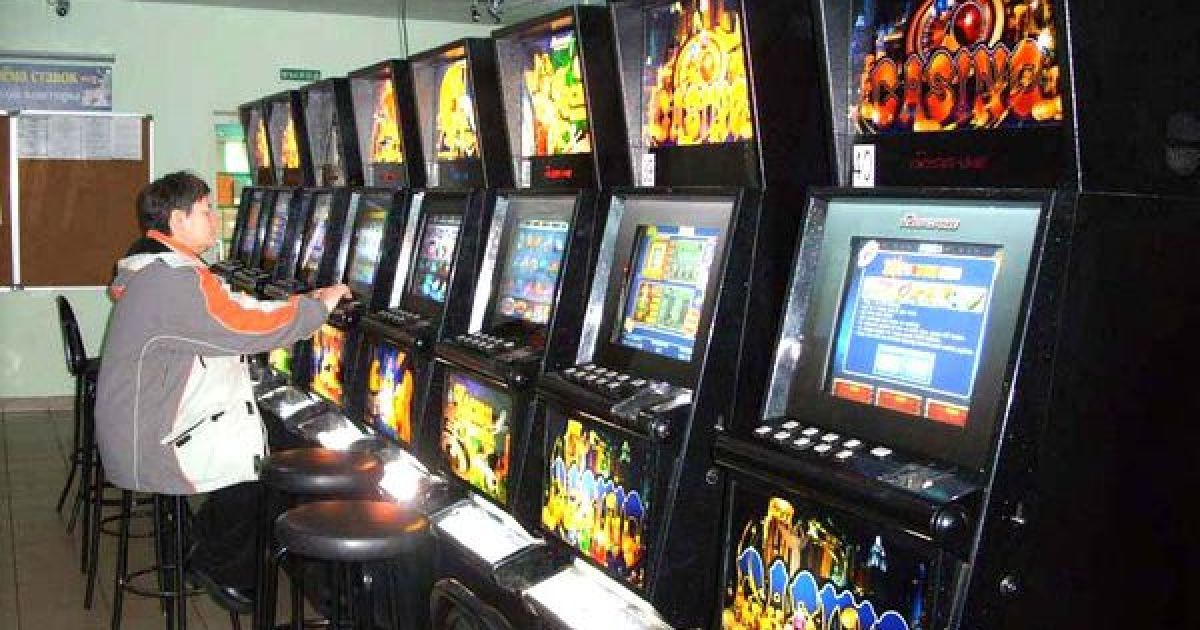
Modern Gambling Experiences and Future Trends
Today’s gambling landscape is more dynamic than ever, propelled by technological advancements and changing consumer preferences. Online casinos, mobile gaming apps, and live dealer experiences have revolutionized how people engage with gambling. Platforms like Galaxy 96 Casino offer extensive game selections, including thousands of licensed games, which cater to diverse player interests while ensuring regulatory compliance and fair play.
The future of gambling seems poised for further evolution, particularly as virtual reality and artificial intelligence become more integrated into gaming experiences. These innovations promise to enhance user engagement and create immersive environments that mirror real-life casinos. As the gambling industry adapts to these technological shifts, it continues to reflect the complex interplay between human psychology, societal trends, and the age-old thrill of chance.